AGP Executive Report
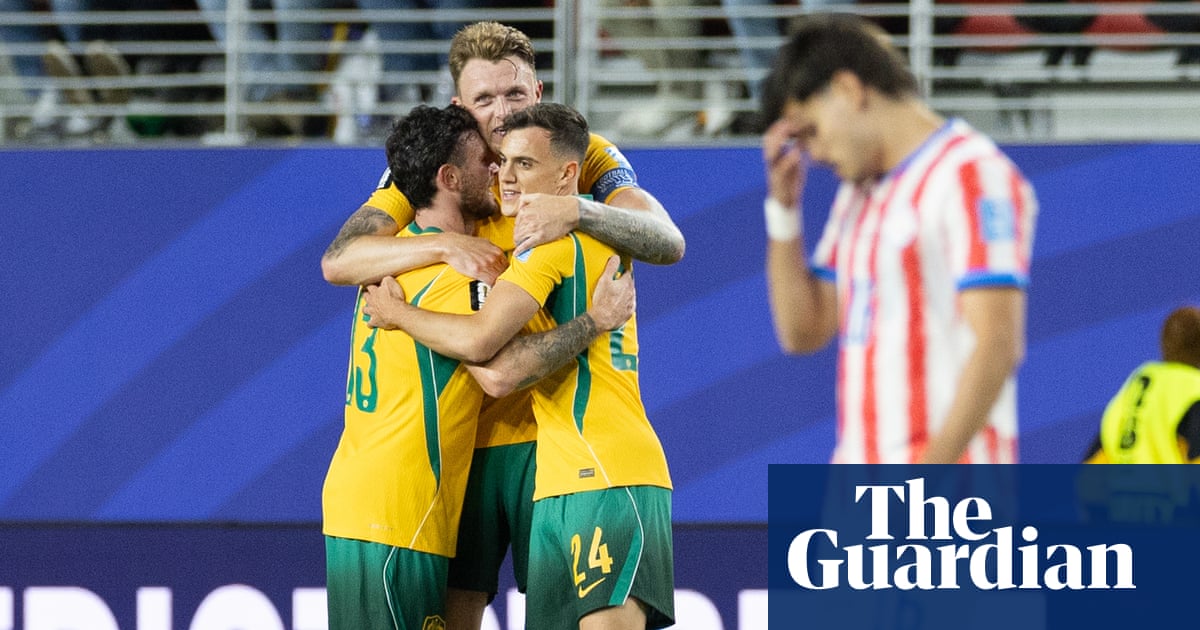
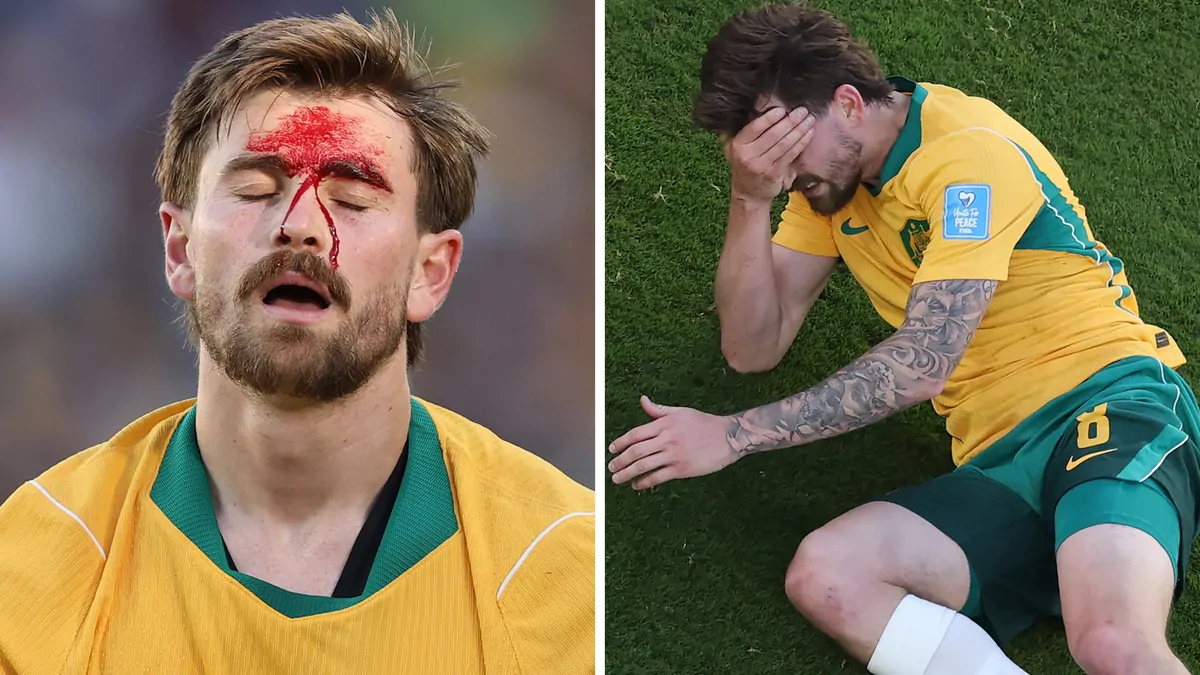
Last update: 7 hours agoWorld Cup, Paraguay-Australia: Paraguay and Australia clash in Santa Clara with second place in Group D on the line, while Paraguay will miss suspended playmaker Miguel Almirón and Australia face injury-driven selection headaches ahead of the decisive match. FIFA discipline fallout: FIFA revoked Paraguayan broadcaster Jorge Chipi Vera’s credentials after an expletive-laden on-air rant tied to Paraguay’s Miguel Almirón red card under the tournament’s “covering mouth” rule. Paraguay in the wider spotlight: Paraguay’s push for transparency over facial recognition surveillance is now headed to the Inter-American Commission on Human Rights after EFF, TEDIC and CEJIL filed a complaint over denied access to implementation details. Regional trade politics: The EU-Mercosur summit in Asunción spotlights a fight over how export quotas should be split, with Paraguay pushing for a 25% share to avoid “the law of the jungle.” World Cup, other results: Ecuador stunned Germany 2-1 to reach the knockout stage, while Ivory Coast ended Curaçao’s run with a 2-0 win.
Note: AI summary from news headlines; neutral sources weighted more to help reduce bias in the result. Feedback is welcome. Please let us know if you have any comments or suggestions about the AGP Executive Report.

 Perspectify News